August 24, 2026
Custom outdoor structures offer a unique opportunity to enhance exterior living spaces by adding structural interest and everyday functionality. Personalizing these architectural additions allows property owners to reflect their personal aesthetic and adapt the frame to fit their landscape and daily routine. This article will explore various methods to tailor a local custom pergola, ensuring it is both beautiful and tailored to individual requirements. By selecting specific finishes, integrated elements, and structural designs, any yard can become an inviting extension of the main house.
Selecting the appropriate material combination is the foundation of any successful project. Beyond standard lumber, mixing element types provides both visual depth and long term durability against changing weather conditions. Incorporating metal accents, high grade composites, or sustainably sourced timber gives the framework a distinct signature. Each option brings specific advantages regarding maintenance schedules, structural integrity, and aesthetic harmony with existing property features. Professional design guidance can help navigate these decisions seamlessly while staying aligned with municipal guidelines.
1. Selecting Proper Material Varieties
Choosing the right timber or alternative material for your structure is crucial for both overall durability and aesthetic appeal. Cedar and treated pine remain popular choices due to their natural strength and classic visual warmth. Cedar is especially valued for its rich aroma and inherent ability to handle moisture, making it ideal for open air installation. Pine provides a versatile surface that easily accepts various finishes to match existing decks or siding. Each wood type offers different undertones, allowing property owners to select an option that best complements their surrounding garden setting.
When selecting structural elements, it is essential to consider how the materials will age over years of sun exposure. Cedar eventually weathers to a subtle silvery gray, while treated pine maintains a crisp, rustic appearance when preserved with clear coats. With the proper protective sealants, the natural grain patterns can be highlighted to add rich character to the whole yard. Ongoing upkeep plays a major role in prolonging the structural integrity, and hardwoods often benefit from routine sealing to maintain their original contrast. Evaluating the long term maintenance requirements ahead of time ensures the finished design remains visually stunning without becoming a burden over many seasons of use. Investing time in evaluating structural density and regional climate factors ensures that your selection will withstand heavy wind, rain, and snow loads over time.
2. Designing Integrated Architectural Elements
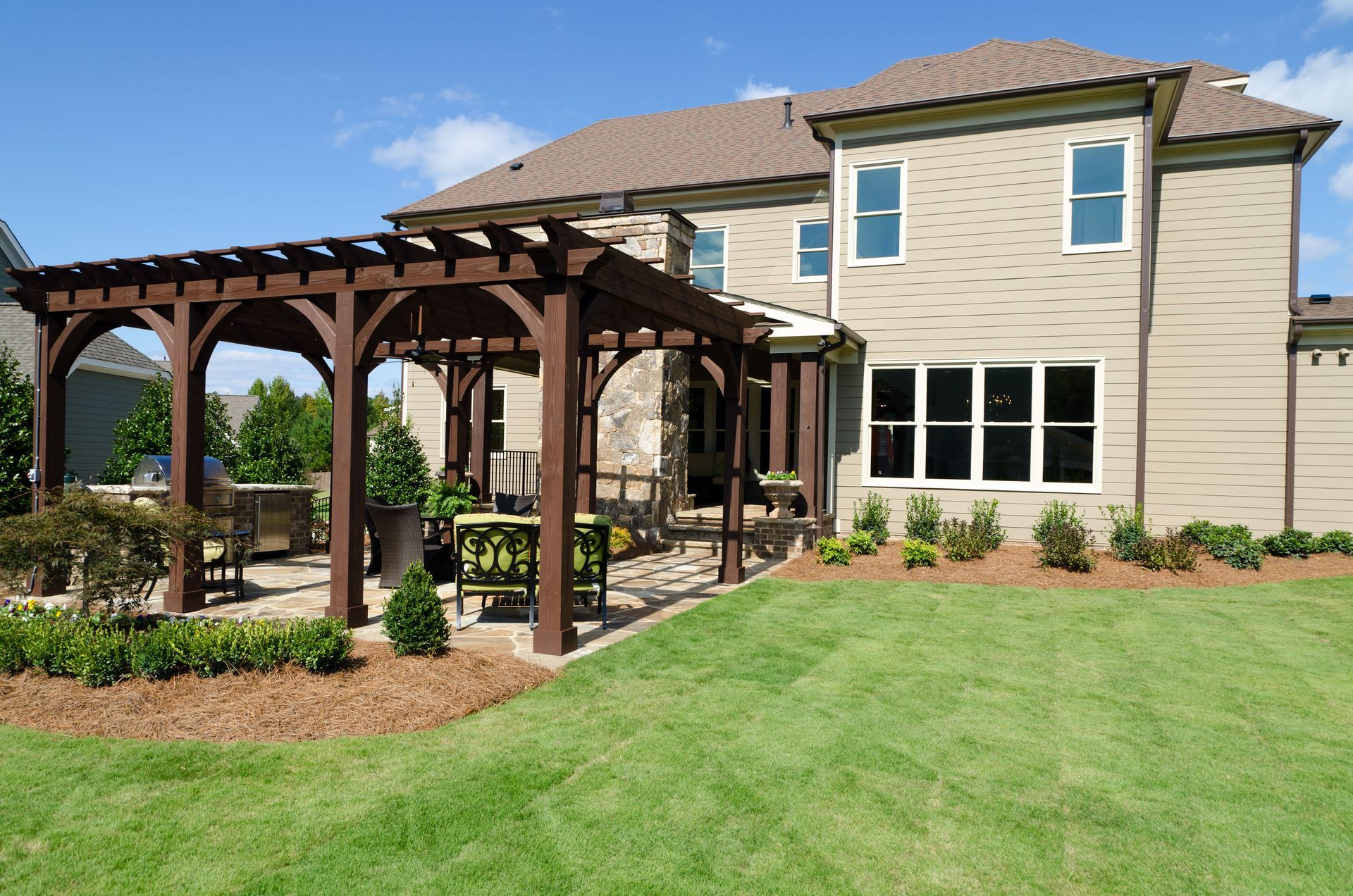
Defining the overall aesthetic style of your framework requires careful attention to line, balance, and proportions. Traditional designs often feature classic posts with decorative end cuts on the rafter tails, evoking a timeless appeal. Modern concepts lean toward clean horizontal lines, concealed fasteners, and stark monochromatic finishes. Rustic variations might incorporate heavy timbers with raw surfaces to blend seamlessly into forested backyards. Selecting a defined architectural theme ensures that the new addition feels like an intentional, original component of the home's primary structure. Incorporating custom archways or geometric roof lattices can give the entire installation an elegant profile visible from every corner of the property.
With the growing trend of outdoor living, incorporating personalized elements in pergolas can greatly improve the usability and aesthetic of outdoor environments. According to WiFi Talents, 19% of U.S. households reported having some type of outdoor living feature in the mid 2020s, highlighting the increasing popularity of outdoor structures like pergolas. Adding bespoke features such as carved support brackets, privacy louvers, or curved rafters elevates the design far beyond standard off the shelf options. Tailoring these details ensures the overall shape complements the specific angles of your patio or poolside area while maximizing comfortable shade throughout the afternoon. Working alongside skilled craftsmen allows property owners to create a unique structure that withstands local weather conditions. A local custom pergola designed around your landscape creates a fluid transition between indoors and outdoors.
3. Enhancing Surfaces With Stains
Applying the right surface finish is an effective way to personalize the frame while shielding structural components from moisture damage. Stains are available in an extensive spectrum, ranging from semi transparent natural oaks to deep, rich walnuts and modern dark charcoal shades. A quality stain penetrates the surface grain, bringing out organic patterns while blocking harmful radiation. Natural tones help the structure blend into lush garden environments, whereas darker shades create striking visual contrast against lighter home exteriors. Working with a local custom pergola specialist ensures the application process is handled properly for maximum product longevity.
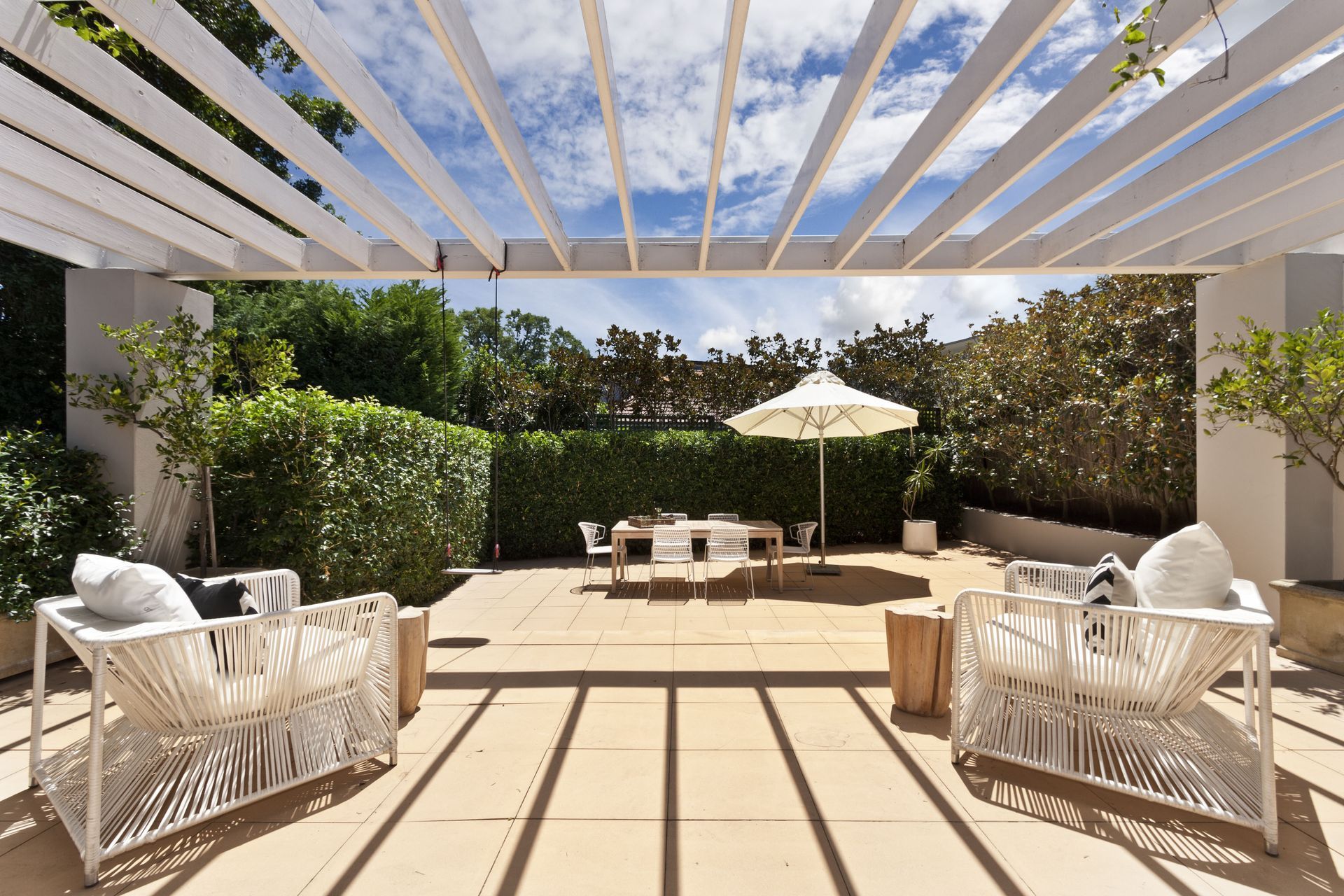
Beyond standard wood stains, solid paints and specialty topcoats offer unlimited color customization to match any exterior palette. Bright white finishes create a coastal atmosphere, while slate grays and muted greens help integrate the structure into surrounding foliage. Protective clear topcoats can also be applied over raw or lightly tinted surfaces to preserve the natural look without allowing the underlying material to turn gray. Regular reapplication of high grade protective finishes prevents moisture penetration, checking, and surface deterioration over time. Proper preparation including deep cleaning and surface sanding ensures that new stain layers adhere evenly and maintain their vibrant appearance across all seasons.
4. Integrating Functional Lighting Systems
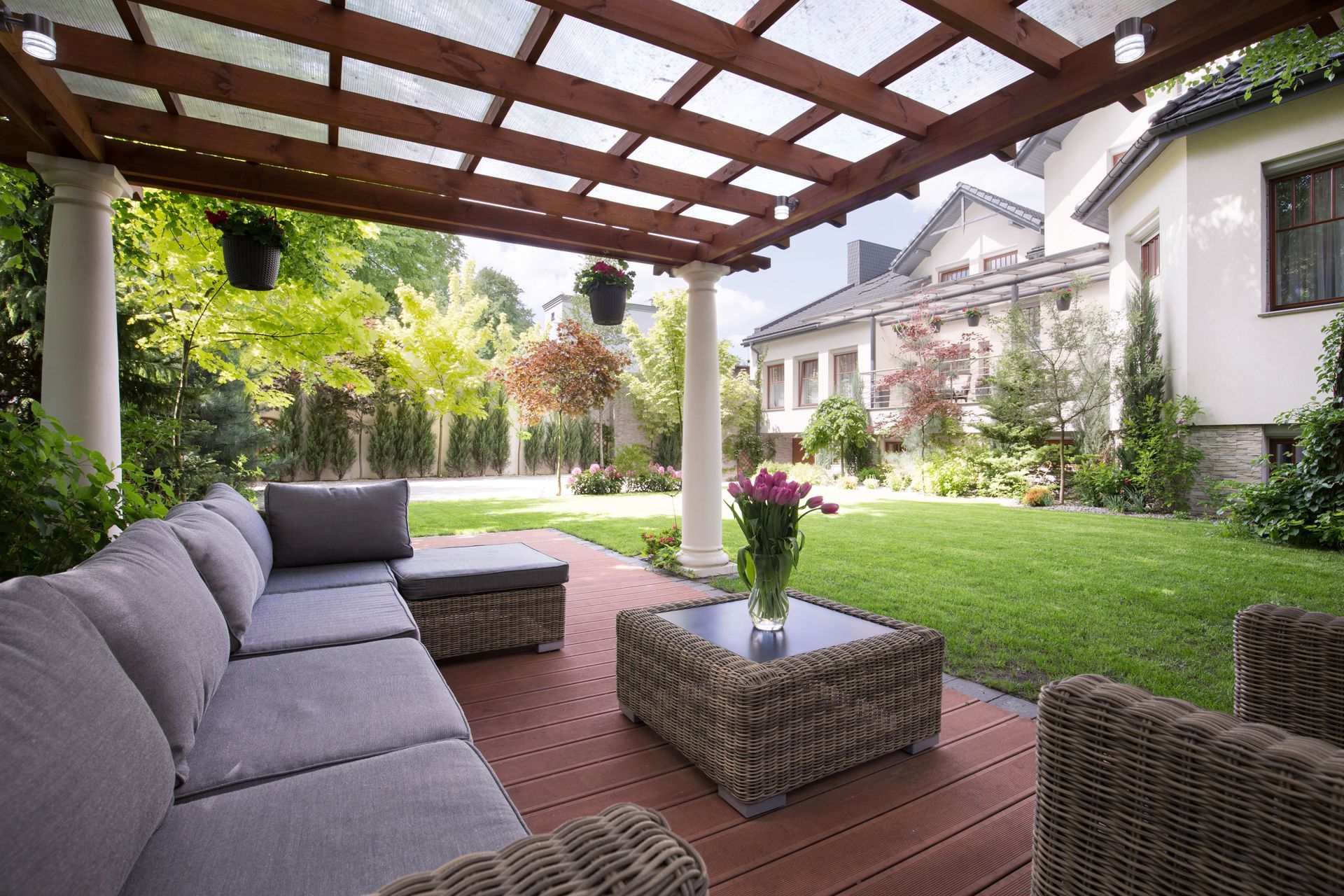
Incorporating integrated illumination transforms an open frame into a highly usable evening retreat. Ambient string lights, recessed beam spotlights, and low voltage posts can all be built directly into the structure during assembly. Concealing electrical wiring within engineered channels or hollow beams maintains a clean, professional finish across the entire frame. Strategic light placement highlights architectural details, illuminates pathways, and creates a warm, welcoming environment for night entertaining. Expertly positioned downlights can showcase architectural columns while illuminating seating areas for quiet reading or outdoor dinners.
Modern lighting options allow complete control over brightness, color temperature, and operational schedules directly from mobile devices. Under beam LED strips provide smooth, indirect light perfect for dining, while directional spotlights can accentuate nearby landscape features or garden beds. Solar powered fixtures offer an energy efficient alternative that eliminates the need for extensive underground wiring runs. By planning the illumination scheme during the initial layout phase, property owners can ensure all fixtures blend seamlessly into the structure's final design. Adding smart timers or motion sensors enhances security while reducing energy consumption when the patio is not actively being enjoyed. A local custom pergola outfitted with tailored lighting creates an enchanting nighttime focal point for family and guests.
5. Adding Retractable Overhead Coverings
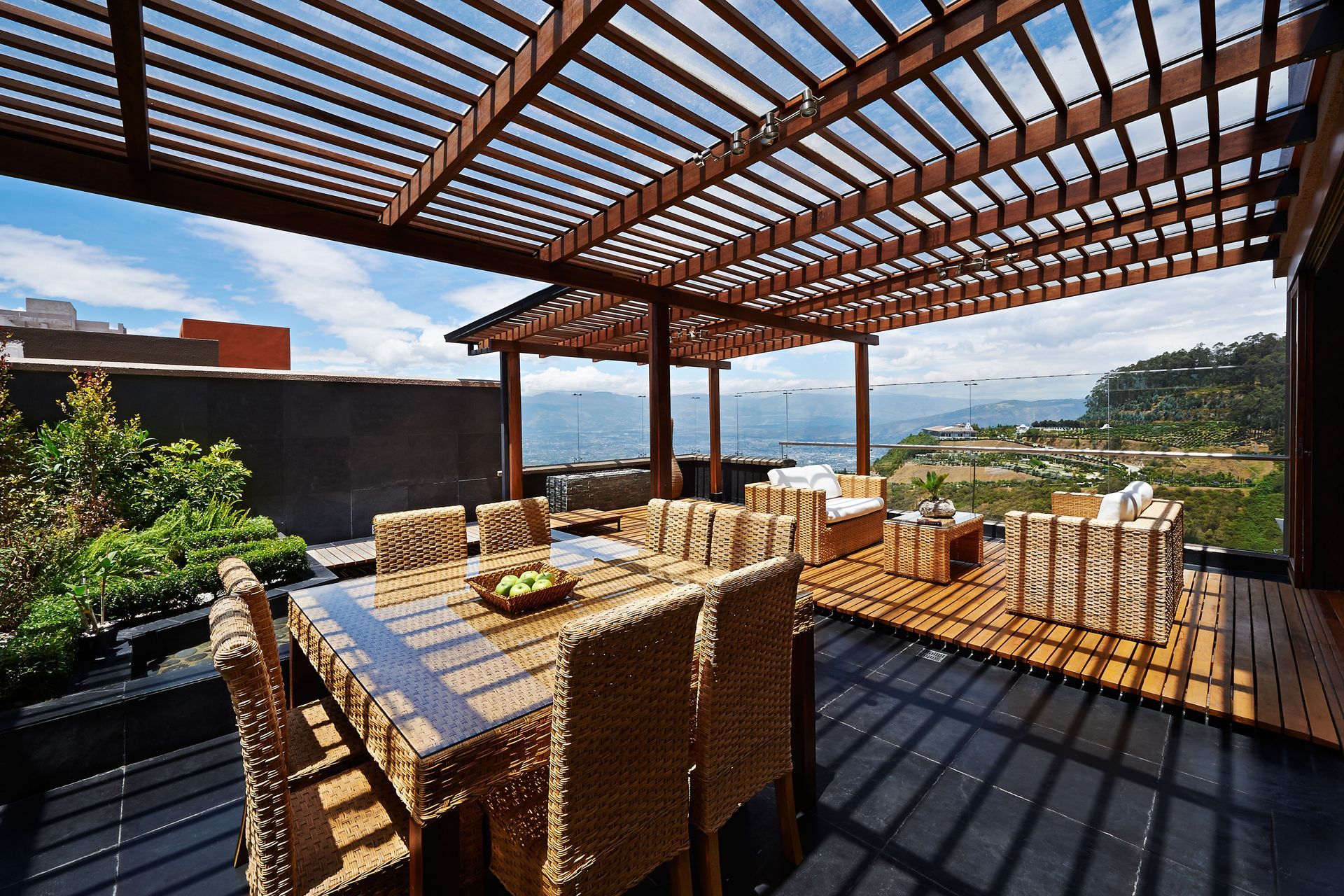
Installing retractable canopy systems or adjustable louvers provides ultimate control over sunlight, shade, and rain protection. Manual sliding shades offer a cost effective, simple way to block harsh midday rays while remaining easy to pull back for evening stargazing. Automated louvered roofs utilize motor drives to tilt overhead slats to the exact angle desired, providing complete shelter during sudden rain showers. These dynamic roof systems significantly extend the usable season of any outdoor patio area. High quality shade materials also help minimize UV degradation on patio furniture and exterior decking beneath the frame. Integrated rain sensors can automatically close louvered roofs at the first sign of precipitation to keep outdoor furniture completely dry.
Adding fabric shade sails, side curtains, or drop down screens provides additional protection against wind and low angle sun exposure. Weather resistant outdoor textiles are available in dozens of colors and textures, allowing seamless coordination with existing outdoor furniture cushions. Integrated side tracks allow privacy screens to roll up neatly inside structural beams when not in use. Investing in a
local custom pergola equipped with flexible overhead protection ensures the space remains comfortable regardless of shifting weather conditions.
Partnering with experienced professionals ensures that every structural choice is engineered safely and finished to the highest standards. Expert builders bring valuable insight into local building codes, weather considerations, and material performance over time. Working with a dedicated team turns complex structural choices into a smooth and rewarding design journey. Contact Rogue Custom Decks and Outdoor Living today to consult with our expert design team and start building a tailored structure designed specifically for your home and lifestyle. Making this investment today will transform your yard into a comfortable haven for many years to come.